By Matthew Polyak
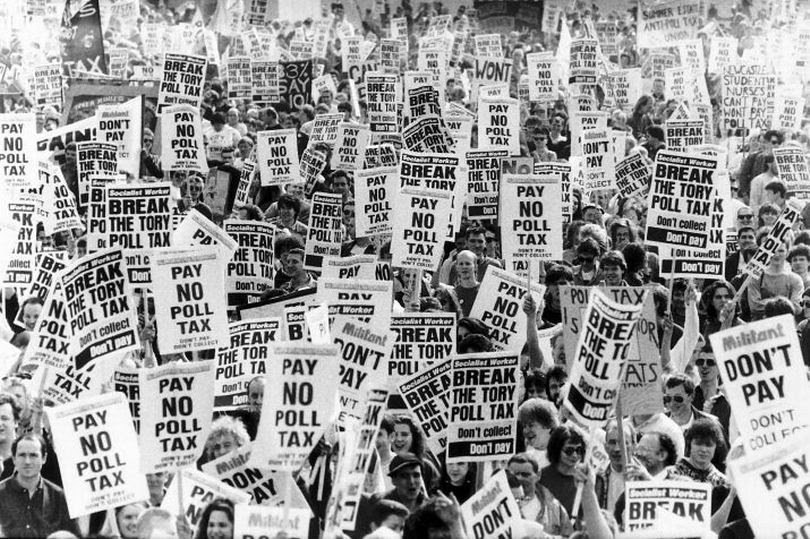
Currently, we live in the most free time period in American history. We may sometimes take this for granted, but as we reflect throughout the history of this country, we notice times when there has been large unrest or disagreement, such as the Civil War, Jim Crow, the Vietnam War, homosexuality, and more. What I want to talk about is civil disobedience, and whether it is justified.
According to Oxford, civil disobedience is described as the refusal to comply with certain laws or to pay taxes and fines, as a peaceful form of political protest. I believe that sometimes, it can be justified. For example, let’s take Jim Crow. These laws suppressed the freedoms and liberties of other Americans on the basis of a trait that can not be changed—their skin color.
In a letter from the Birmingham City Jail, famous civil rights leader Martin Luther King Jr. wrote that “we have waited for more than three hundred and forty years for our god-given and constitutional rights. I guess it is easy for those who have never felt the stinging darts of segregation to say “wait.” But when you have seen vicious mobs Lynch your mothers and fathers at will and drown your sisters and brothers at whim; when you have seen hate-filled policemen curse, kick, brutalize, and even kill your black brothers and sisters with impunity… then you will understand why we find it difficult to wait. If hope, sirs, you can understand our legitimate and unavoidable impatience.”
MLK Jr. makes a great point here. When the government is attempting to stomp down on your civil liberties, sometimes, it might have to take civil disobedience. This country, the best one in the world, the most free in the world, the one that promises every man freedom—was taking it away from those they deemed didn’t deserve it. In those circumstances, it may just be justified.
To further my point, the people who are being civilly disobedient (protesters, boycotters, etc.) all know that they will face consequences, whether social or legal. And if we were to break this down legally, certain forms of civil disobedience are, in fact, legal in this country. These include peaceful protests and boycotts. Kimberly Brownlee wrote an interesting piece in the Stanford Encyclopedia of Philosophy.
She wrote that “civil disobedience is a public, non-violent, and conscientious breach of law undertaken with the aim of bringing about a change in laws or government policies. On this account, people who engage in civil disobedience are willing to accept the legal consequences of their actions, as this shows their fidelity to the rule of law.”
When there is an issue that is so frustrating or angering to the people, they will go to extreme measures, regardless of the consequences. This I believe causes the most problem for governments. For example, let us take the recent protests in my ancestral country, Russia. The Russo-Ukrainian war has been ongoing for a very long period of time. Scenes of the bloodshed has trickled its way into the peoples knowledge, whether through social media or by word. People than begin to find out the real reasons for the war, and the gaslighting that has been spewed by leaders such as Putin and Belarus’ Lukashenko. This, of course, causes anger and leads to demonstrations and protests.
Because Russia does not want the majority of the public to know, they will brutalize and arrest all of the protestors, who often hold up innocent signs with the phrase “No War.” However, the government can not arrest everybody. The more outrage, the more problem it becomes to the government. The more it threatens their power and status. People know the consequences, but when you are threatened or when you see your country doing unfathomable things… your care for the consequences will vanish quite quickly.
So to conclude, there may be times when we have to be civilly disobedient. This, of course, would not be an everyday type of thing. If there is a persistent issue that we may disagree about, there should not be a cause of large outbursts and unrest. We should be mindful in how we use civil disobedience, so it helps us when we need it, and doesn’t hurt us in return.
Sources
- Conscience and Conviction: The Case for Civil Disobedience by Kimberley Brownlee
- The Guardian
- California State University
- Stanford Encyclopedia of Philosophy
- Brennan Center for Justice



 Scribemen Magazine