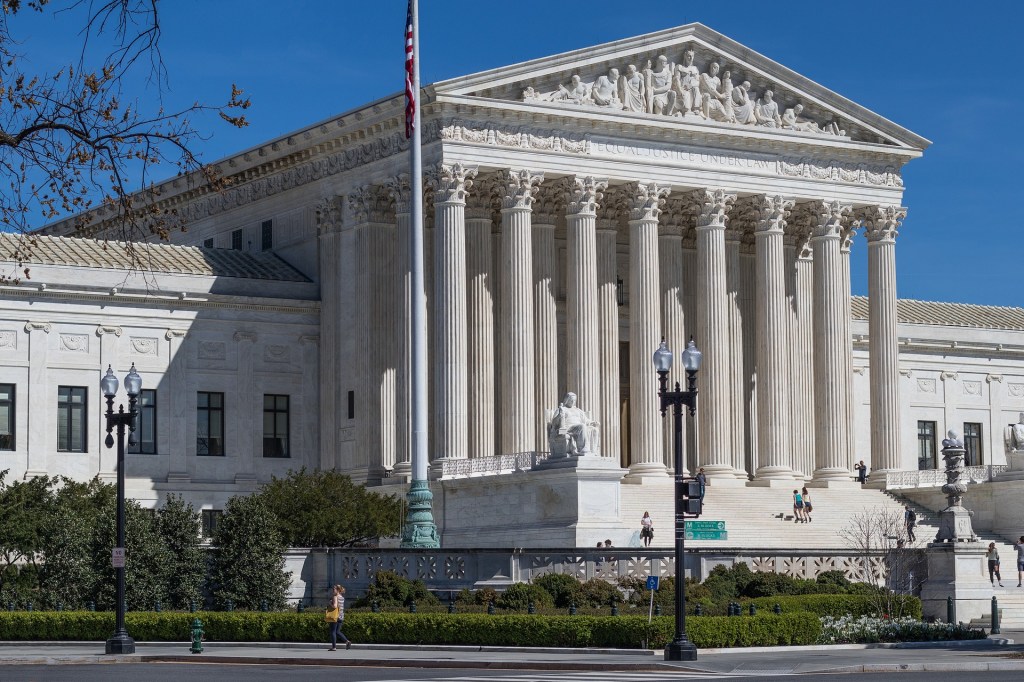
Affirmative action has been a topic of intense debate. This policy is a way of diversifying colleges and in turn, creating a diverse student body, enriching the learning environment, fostering innovation, and preparing individuals for a globalized society. Some consider it a tool to combat systemic inequality, while others see it as a form of reverse discrimination. In recent years, several states in the US have implemented bans on affirmative action in colleges. On June 29th, the Supreme Court released its decision to implement a country-wide ban on affirmative action. By solely relying on race-neutral policies, bans limit opportunities for historically underrepresented groups to access higher education and secure employment. Without affirmative action, universities and companies often struggle to achieve meaningful diversity, hindering their ability to address the needs and perspectives of an increasingly diverse population. Despite the state bans and now the country-wide ban, the underlying issues of inequality and underrepresentation persist.
Affirmative action in the US consists of government-mandated private programs granting special consideration to historically underrepresented groups, specifically racial minorities or women. Affirmative action requirements are intended to ensure that applicants and employees of federal contractors have equal opportunity for recruitment, selection, advancement, and every other term and privilege associated with employment, without regard to their race, religion, gender, sexual orientation, etc. Banning this policy only hurts these marginalized groups. Over time, without these programs, colleges will admit fewer people from minority groups because they are not compelled to take race into account. Even now with affirmative action, almost 40 percent of Harvard students are white, and only 2,876 (9.5 percent) are Hispanic, and 1,994 (6.6 percent) are Black or African American. These numbers are only this high because of the affirmative action programs that have supported immigrants and people of color; it’s hard to imagine what they will look like without any such provision in 10 years.
Instead of banning affirmative action, there is a pressing need to develop comprehensive solutions that address the underlying causes of inequality. These solutions should encompass early childhood education, equitable funding for schools in underserved areas, mentorship programs, and college readiness initiatives. By focusing on improving educational opportunities from an early age and providing support systems for marginalized students, a more equitable and inclusive society can be created.
Affirmative action was banned to give every applicant to high-ranking colleges an equal opportunity to get accepted, however, the college admission process still has inherent bias due to legacy admissions. Legacy admissions allow successful alums from a college to grant preference for seats to their children even if they are not as qualified as other candidates. Students are 45 percent more likely to get into a highly selective college if they are considered a primary legacy. It is estimated that three-quarters of the top 100 colleges in the US factor legacy status into their admissions decisions. During the lawsuit against Harvard University’s race-conscious admission practices, a data set gave an unprecedented look into how one of the most prestigious universities in the world vets prospective students. Harvard applicants whose family members attended the school were nearly six times more likely to secure admission than those without family connections. These legacy admissions favor white and wealthy applicants and started a racist campaign by the nation’s most prominent colleges that began around the 1920s to give preference to children of alumni and thereby diminish Jewish and immigrant enrollment. This is a textbook example of systemic racism that might not have an end coming soon. College is a business that wants to make money; legacy admissions make them more money than regular admissions—so why would they want to give that up? As long as legacy admissions stay legal, the ban on affirmative action doesn’t help underprivileged students enough.
While affirmative action programs have their limitations, outright bans do not address the underlying systemic issues that contribute to inequality. These bans often result in reduced diversity and fail to dismantle the barriers that marginalized groups face. Solutions to these issues are more comprehensive including, equal access to quality K-12 education, promoting economic opportunities in underserved communities, and implementing targeted support programs for marginalized groups. Without giving all communities and people a chance to earn their place at a university, a merit-based system is biased, and the diversity that colleges reach right now will diminish.
By Sidharth Nayar




 Scribemen Magazine