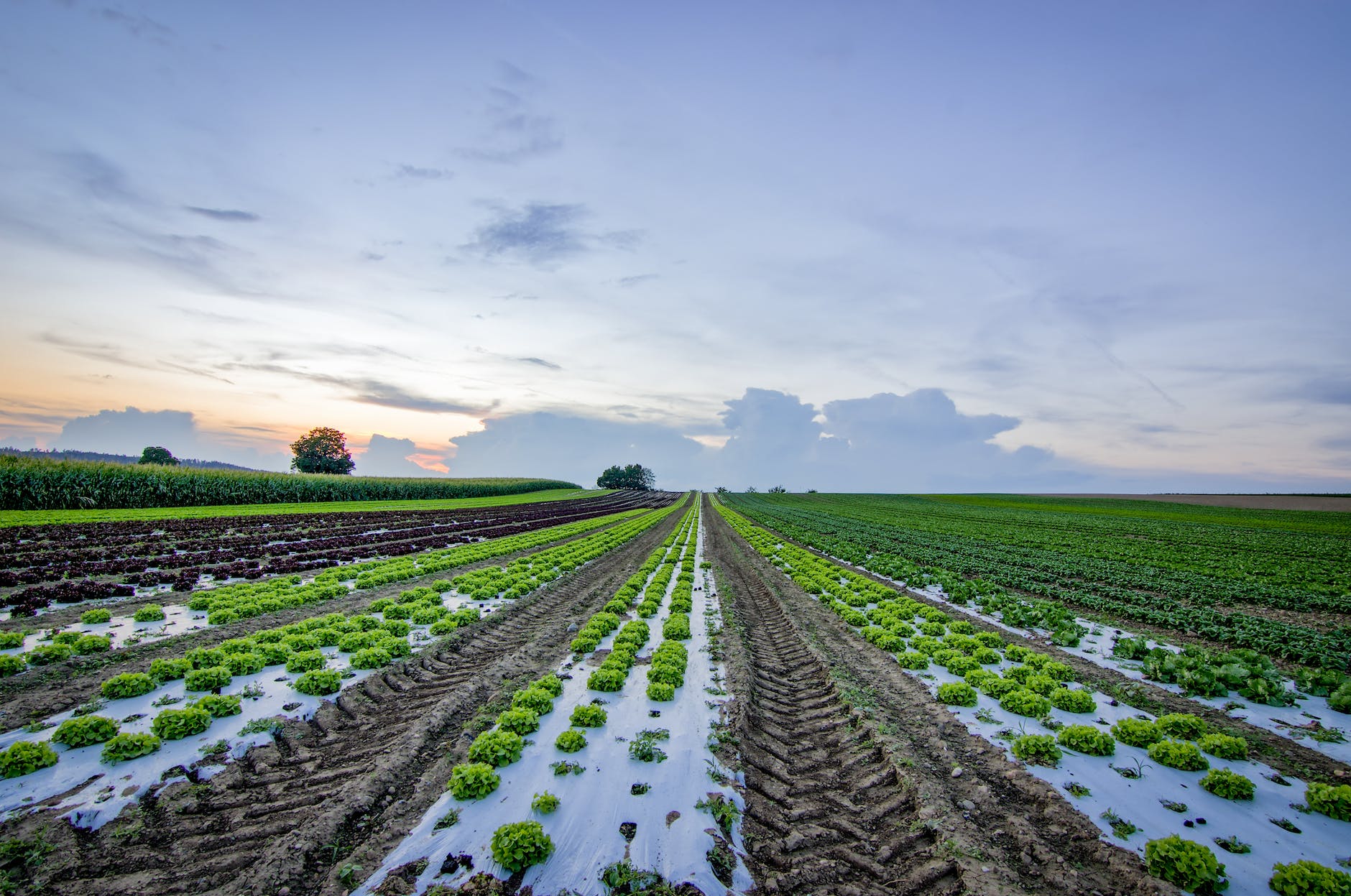
Much of the food that we eat daily has been genetically modified, whether that be corn, soy, fruits, or rice. They are engineered or edited in a lab to alter specific characteristics. Some of these modifications could be increasing crop yields and reducing the need for pesticides and disease resistance. Unfortunately, these crops take up a great deal of space, taking away from other crops such as biofuels. Renewable energy is becoming a bigger part of our lives, but should we have to choose between GMOs and biofuels? Some solutions can save a lot of time and money. One of these options is the use of algae.
Algae is a naturally growing biofuel that is taking over the industry. Algae uses much less land than other biofuels, and the fuel output is 10-15 times greater than corn. If technology involving algae continues to advance, farmers can produce over 15 thousand gallons of fuel per acre. An increase in the production of biofuels while using as little space as possible is important because a major byproduct of biofuels is ethanol. The average petroleum consumption in the US alone was about 18.1 million gallons per day. In 2020, 98 percent of our gasoline contained ethanol. However, in recent years the use of biofuels for ethanol has decreased, while the use of biodiesel has increased. The best producer of ethanol is switchgrass, which produces 1120 gallons per acre, and the best producer of biodiesel is microalgae, which produces a whopping 5020 gallons per acre. In every aspect, algae can be used as renewable energy and work more effectively than previously used biofuels.
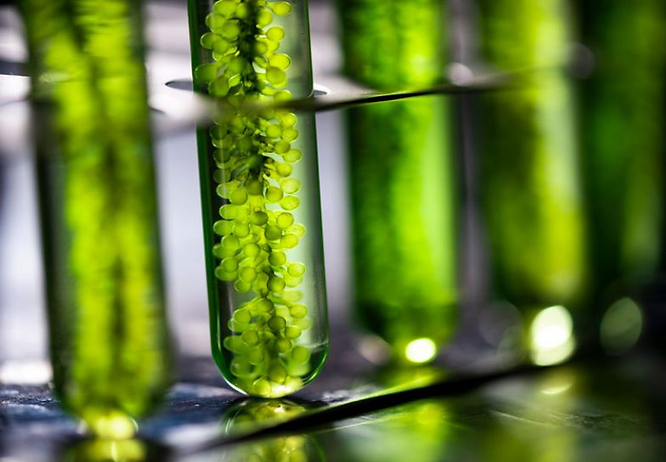
While algae provide a great biofuel source that has much more crop yield than others, there are several disadvantages to be aware of. Growing algae requires a substantial amount of water and optimal temperature levels for the best growth, causing water to evaporate. This means that algae will require much more water than other crops and biofuels. The quantity of fertilizer required for algae to thrive is another drawback. 15 percent of the fertilizer generated annually would be needed to supply the demands of just 5 percent of the US transportation market. This fertilizer’s manufacture is detrimental to the environment, since it emits carbon dioxide. These pitfalls make the possibility of using algae as a replacement or even a supplement to biofuels slim. On top of these limitations, algae have not been thoroughly tested when used as a replacement for biofuels in cars, machinery, airplanes, etc. There is no guarantee that algae will be an efficient replacement for gasoline. Another primary concern associated with algae-based biofuels is the high production cost compared to fossil fuels and other biofuel alternatives. Cultivating and harvesting algae on a large scale, along with the extraction and conversion of their oil into biofuel, involves complex and energy-intensive processes.
Algae-based renewable energy is a promising field. Although many questions are still unanswered about its quality, the fact remains that algae may be able to replace significant amounts of current, non-renewable energy resources. Unfortunately, algae require an extensive amount of raw materials and may exacerbate the present issue of global warming. Additionally, algae have no guarantee of working at all. For this reason, algae should be researched and implemented as a supplement to biofuels. This way, problems with only using algae are negated, and it is being battle tested as a biofuel. First, optimal strains of algae need to be selected based on their growth rate, lipid content, and adaptability to different cultivation conditions. These strains then need to be cultivated in different environments to assess the growth rate, biomass productivity, and lipid accumulation of the selected algae strains. There are also many different harvesting methods that need to be considered, such as sedimentation, filtration, centrifugation, or flocculation to determine the most efficient and cost-effective method for separating algae biomass from the cultivation medium. Additionally, there are also many pathways to convert pure algae biomass to usable biofuel material to be investigated for qualities like yields, energy efficiency, and compatibility with existing infrastructure. Using these results, researchers can systematically evaluate the feasibility and potential of algae as a replacement for biofuels.
It is difficult to categorize exactly how useful this research will be. Algae is untested and will require many advancements before it becomes a viable substitute for already existing energy. But through meticulous research and testing, it has the potential to reshape the future of the field and eliminate the use of fossil fuels entirely. As we strive for a sustainable future, algae-based biofuels may play a role in our energy mix. By embracing innovation, promoting research, and considering the broader environmental and socio-economic impacts, we can work towards an energy system that is both sustainable and resilient.
By Sid Nayar




 Scribemen Magazine