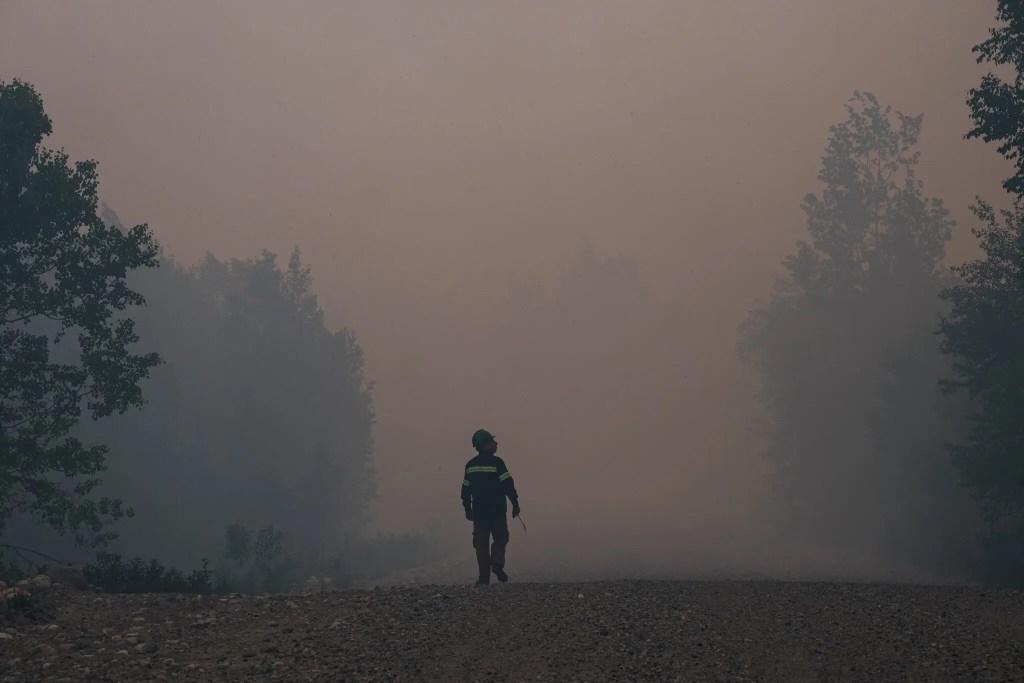
Unless you have been living under a rock, you’ve probably seen the strange orange hue outside that makes it look like we are living on the surface of Mars rather than Earth. It all started on June 6th, when people noticed a burnt, smoky smell whenever they stepped outside. The color was also immediately apparent, looking as if someone almost put a yellow filter on the sky. People were then surprised to get alerts from their phones telling them that air quality was classified as being hazardous to all groups. It was soon reported that this was because of forest fires in our neighboring country, Canada. While the fire’s occurrence was common knowledge here in the States, the fact that it was affecting states as far away as North Carolina was a reason for concern. As it turned out, strong winds pushing south brought the smog down to the United States. The most affected area seemed to be New York City, which, on June 8th, was recorded to have had the worst air quality of any major city in the world. While we are currently in the clear from the smoke at this point, what can we take away from this ecological attack by mother nature?
Environmental Damage
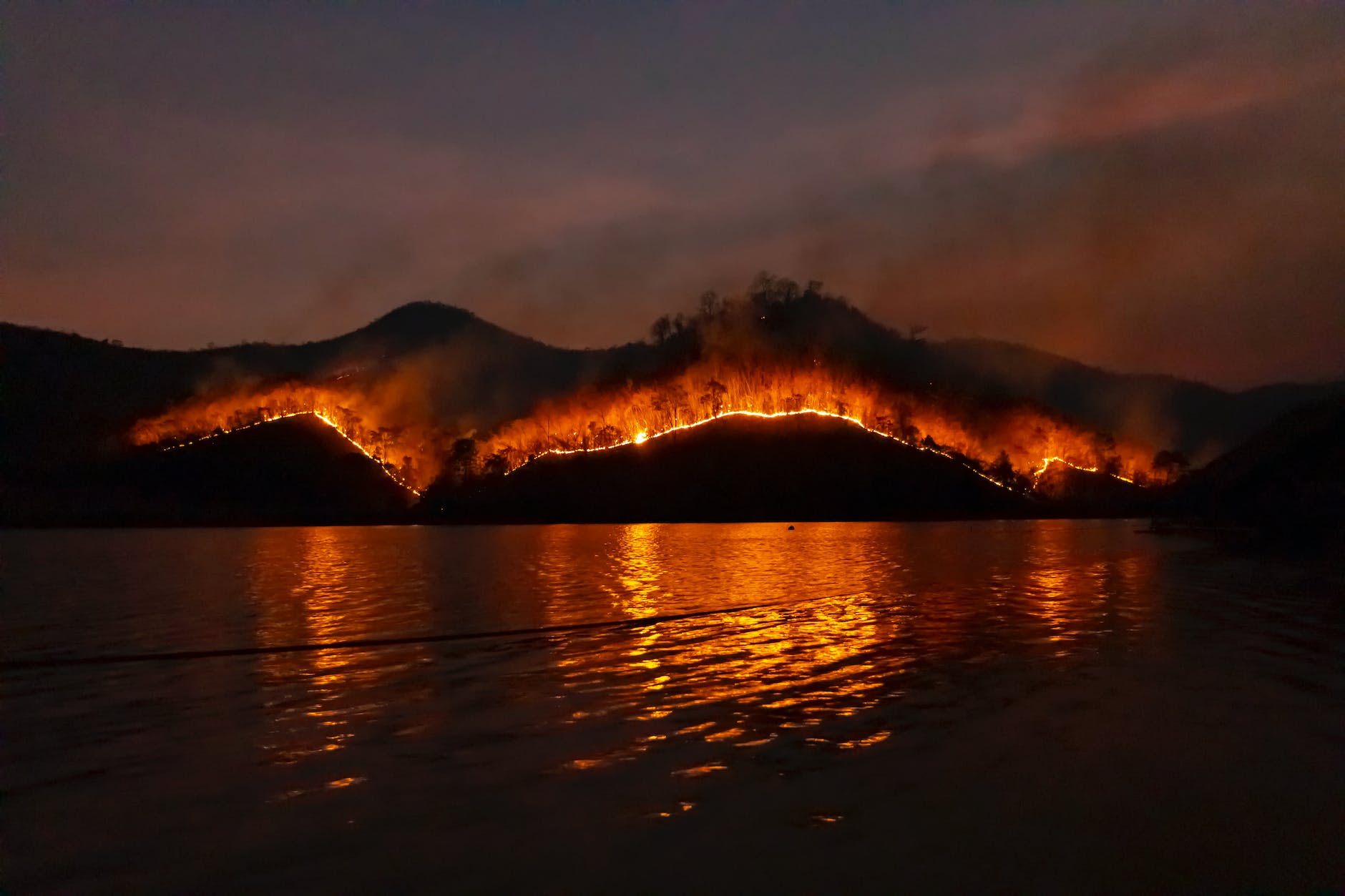
There is no covering up the fact that fires have a devastating impact on the environment. Vast stretches of forests and pristine wilderness have been reduced to ashes, resulting in the loss of critical wildlife habitats. The destruction of vegetation disrupts the ecological balance, impacting biodiversity and threatening the survival of numerous plant and animal species. The long-term consequences include soil erosion, water contamination, and a disruption in the carbon cycle, exacerbating climate change.
Threat to Human Lives and Health
Wildfires in Canada pose a direct threat to human lives and health as well. The immediate danger from flames, intense heat, and smoke inhalation put firefighters and nearby residents at risk. The smoke generated by wildfires contains harmful fine particles and toxic gasses, leading to respiratory, cardiovascular, and other health issues. The displacement of communities and the destruction of homes and infrastructure add further psychological and emotional stress to affected individuals.
Economic Impacts
The economic impacts of Canada’s wildfires are extensive. The cost of firefighting efforts, property damage, and the loss of productivity due to evacuations and disruptions in various industries can be staggering. The forestry sector, a significant contributor to Canada’s economy, suffers significant losses as vast swaths of timberland are destroyed. Additionally, the tourism industry is severely affected as visitors are deterred by the risks associated with wildfires, leading to financial losses for local businesses and communities.
Contribution to Climate Change
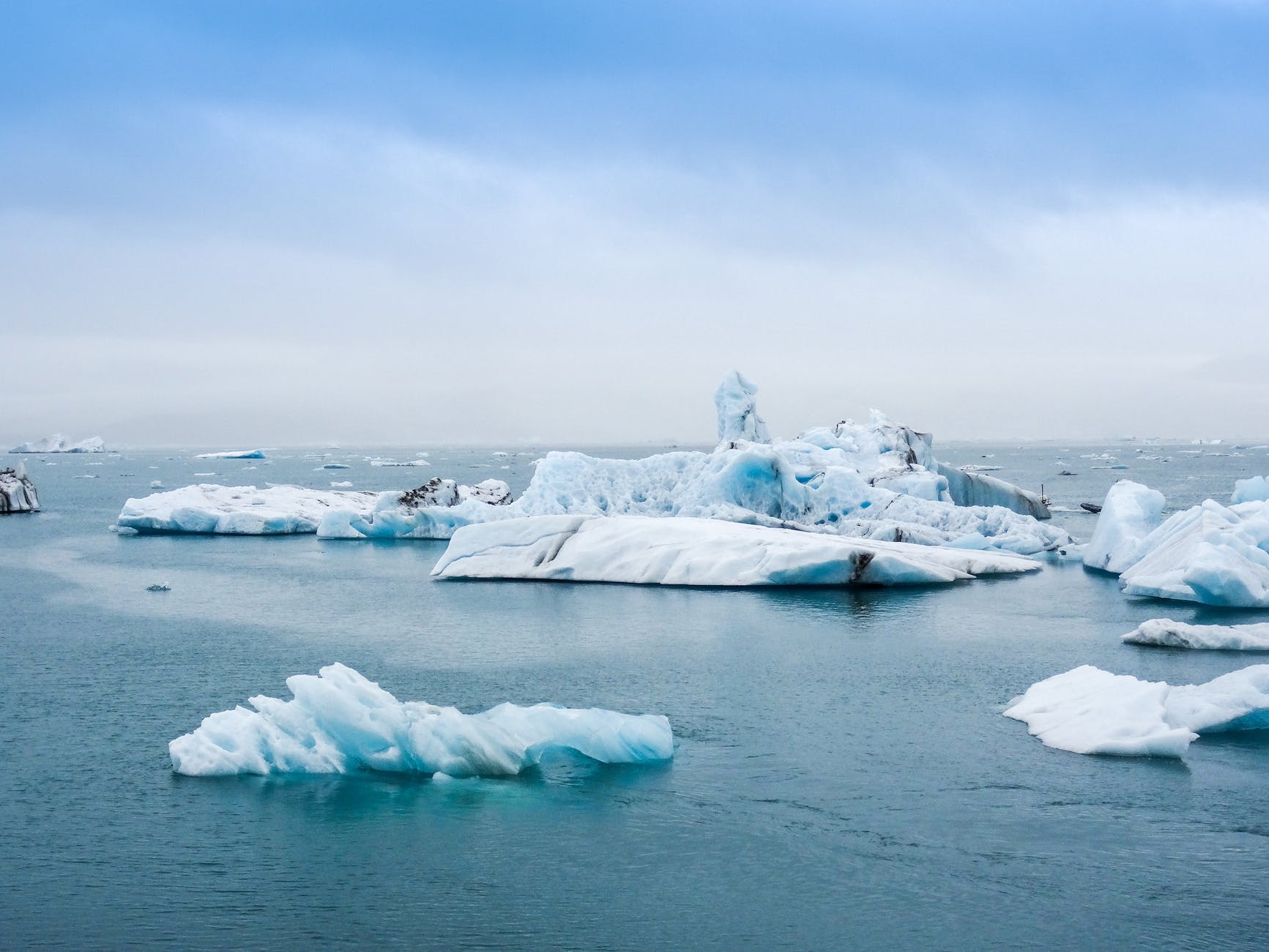
The release of enormous amounts of carbon dioxide and other greenhouse gasses during these fires exacerbates global warming. The resulting warmer temperatures and drier conditions create a favorable environment for more frequent and intense wildfires, perpetuating the cycle. The increased levels of greenhouse gasses further accelerate climate change, leading to more extreme weather events and long-term environmental degradation.
Impact on Indigenous Communities
Canada’s wildfires disproportionately impact Indigenous communities, who often have deep connections to the land and rely on it for their cultural and economic well-being. Wildfires threaten their traditional territories, disrupt customs, and cause significant socio-economic ripples. These communities face challenges in rebuilding and recovering from the loss of land, resources, and cultural heritage.
Canada’s wildfires represent a pressing environmental and humanitarian crisis. The devastating impacts on ecosystems, human lives, and the economy necessitate urgent action and a comprehensive approach to mitigate and prevent future wildfires. Addressing the root causes of wildfires, including climate change and forest management practices, and investing in preparedness, firefighting capabilities, and community resilience, is crucial to minimizing the harm inflicted by these destructive events. Additionally, recognizing the specific vulnerabilities and needs of Indigenous communities affected by wildfires is essential for ensuring equitable and sustainable recovery.
By Rahul Pemassani




 Scribemen Magazine