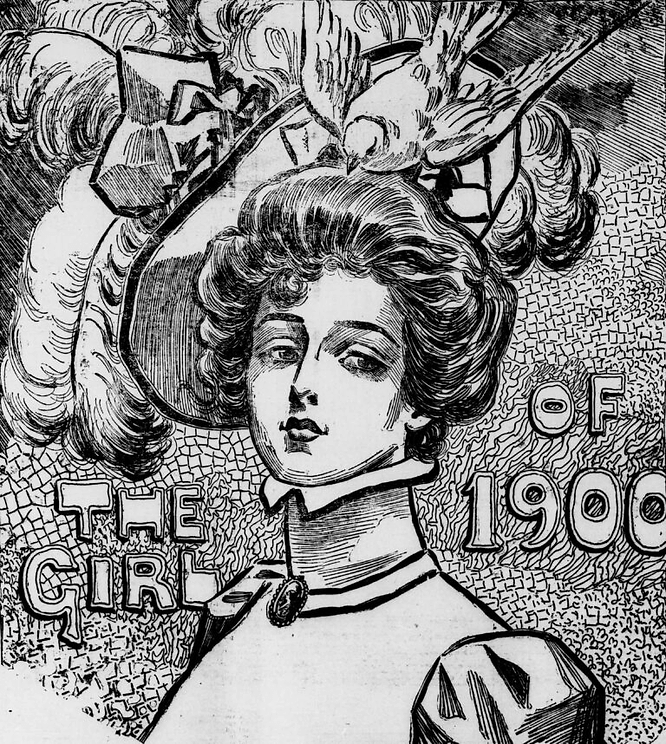
Taking a look at the style of clothing in the 20th century, I become amazed at how fashion has changed over time. Some people argue that the clothing style was captivating and attractive, while others would say it was a little unusual.
Women’s Fashion in the 1910s
Throughout the 1910s, the majority of women would have short hair with long dresses. The dress silhouette (outline of clothing) underwent significant changes that influenced renowned designer Paul Poirot. Poirot created new silhouettes that women would love, later saving them from wearing uncomfortable corsets. Some of the silhouettes he introduced were the hobble skirt, harem pants, and lampshade tunic. All of these went through many advancements and are still being used today. Footwear for women primarily consisted of boots and high-curved heels; women’s boots symbolized men’s church shoes but had rounder shapes and thinner heels. Court shoes were exclusively worn in the evenings and represented slippers/crocs. The use of women’s hats was widely spread, especially wide-brimmed hats, which had very stylish accessories like feathers and ribbons.
Men’s Fashion in the 1910s
Men’s fashion in the 1910s was very similar to what we see today. For instance, white coattails were still worn in the evening or during special occasions, though many designers introduced significant changes to them. At the beginning of the 20th century, men would wear loose-fitting sack suits. Once the war ended, however, younger men were influenced by tailored-fit, colored suits. They desired a distinct version of clothing from what their fathers wore; these suits were recognizable to individuals who served in the military. There was a wide range of footwear a man could choose from, dress shoes being one of the most popular. Although a few additional buttons were added, dress shoes and today’s shoes had very limited differences. Men and Women had identical trends with the same high-curved heel. One of the more acknowledged elements of fashion was hats. Among the more standard supplements, specifically for well-dressed men, were the bowler and felt derby hats. Most men felt more comfortable with these hats rather than the silk top hats, which were worn particularly during formal events. Additionally, fedoras had a great increase in popularity after the war ended, alongside straw boater hats and sportsman caps over the summertime.
Women’s Fashion in the 1920s
1920s fashion provided women with more freedom in terms of clothing—with loose, straight, dropped waists and shorter hemlines. Typically, women would wear casual cotton housedresses that were occasionally homemade. These dresses were loose pullover styles in colorful vertical stripes or solids. During warm weather parties, ladies would usually wear luxury afternoon layered fabrics in pastel colors. They wore a variety of hats such as straw, turban, and the iconic narrow-brimmed cloche hat. To complete the look with these fashionable hats, women’s hairstyles were short, with curls on the side and the rest in a bun. The most famous women’s hairstyle was the daring bob cut which was styled straight or curly. By the end of the 1920s, women were wearing cultured day dresses all day long.
Men’s Fashion in the 1920s
In the 1920s, there wasn’t a dramatic change in men’s fashion; however, their styles became more casual, with a dressed-up buttoned-down look. Men would wear suits in public unless they were engaging in less formal activities. Suits were looser and longer in the United States, with more vivid stripes and ties. Sportswear was also worn more frequently—especially for golf. Men would wear knickerbockers and wide-legged Oxford bag pants. These became a sporty casual alternative to wearing formal clothing like suits. The “Ivy look,” with slimmer fits and single-breasted jackets, became incredibly popular among many college students. Straight hair was common and often combed into place with longer hair on the top and short on the sides. Banded fedoras were an everyday choice in Men’s fashion and the width could be shaped in any way.
Women’s fashion in the 1930s
The ideal look for most women was dressed with wide shoulders, puffy sleeves, and higher belted waistlines. Formal dresses showcased a willowy and elegant silhouette. Katherine Hepburn and Marlene Dietrich, Hollywood screen stars, introduced women’s trousers for sports and leisure. Sailors’ pants symbolized the trousers well because it was wide-legged and high-waisted. On the beach, women wore casual lounge pants and modern swimsuits that rubberized fabrics. Famous glamorous film stars influenced women’s hairstyles with short curly styles like the sleek Marcel wave. Women also wore inexpensive costume jewelry, gloves, silk scarves, and furs; accessories such as handbags and hats were often matched with other clothing.
Men’s fashion in the 1930s
The 1930s fashion trend for men was looser and a little more casual outfits. They had high waists and creased trousers with turned-up cuffs. Suits had a wide range of colors such as dark blue, brown, and gray for cooler weather and lighter tones for warmer weather. Fedoras, bowlers, ties, hats, and more completed the look. Men’s work shirts had loose fitting with long sleeve and their work uniforms had colored shirts with matching trousers. To protect the feet, men had heavy leather work boots. In the United States, men sometimes wore sports jackets to work. Other stylish clothing that was worn for sports and relaxation included knitted sweatshirts, flannel trousers, and soft-collared shirts. The 1930s also saw the first men’s swimming trunk.
Women’s fashion in the 1940s
In the 1940s, women’s fashion was restricted due to the interference of World War II. Women were encouraged by the German Fashion Board to wear traditional dresses that were made by German designers. They were also told not to wear any makeup, trousers, furs, perfume, or glamorous clothing. By the end of World War II, French designer Christian Dior began the “New Look.” Christian’s style rounded the shoulders and hips with a full pleated skirt. The New Look stood as a favored fashion going into the 1950s.
Men’s fashion in the 1940s
New suits were made in the 1940s, with a wool-rayon blend that was patterned fabric. In the United Kingdom, suits and shirts were made with fewer pockets and narrow lapels. In the United States, the baggy and colorful “zoot suit,” was spread by Jazz Culture and became popular with young Italians and Mexican immigrants. Well-styled men wore hats in the 1940s, which were most commonly made of felt. The Homgurg hat and fedora were known hats and recognized as formal. After the end of World War II, baggier suits and double-breasted suits were popularized again.
Women’s fashion in the 1950s
Casual clothing was widespread by the middle of the century and many female fashion designers created casual clothing such as pants and designer sportswear that supported the needs of occupied women. There were countless amounts of new shoes to select from that had advanced comfortability, sturdiness, and also lightweight. An average women’s outfit would consist of beautiful jewelry, gloves, handbags, and purses that would complete the fashion look.
Men’s fashion in the 1950s
At the start of the new decade, men would often wear baggy suits with colored ties, expressing a more casual outfit. Men’s wardrobes moved on with textured and multicolored detail. Other fashion styles such as Hawaiian-style shirts and knee-length shorts became very common. By the end of the 1950s, men and women would wear hats that had some very extravagant detail to them.
By now, it’s evident that fashion has evolved massively. Events like WWI and WWII had significant impacts on the state of fashion and caused it to develop into a greater trend that reflected the time period.
By Pranav Parlapall


 Scribemen Magazine