Ever since the mechanical computer was invented back in 1833, using one has become as mainstream as brushing your teeth or cooking. We do everything on computers nowadays, from entertainment, like watching movies and playing video games, to filing taxes and learning through websites. From this, it is easy to see the pivotal role they play in the average person’s life. However, while they have served their purpose for the general public, there are industries in the world that are yet to utilize the newest innovation in computer technology: Quantum Computing.
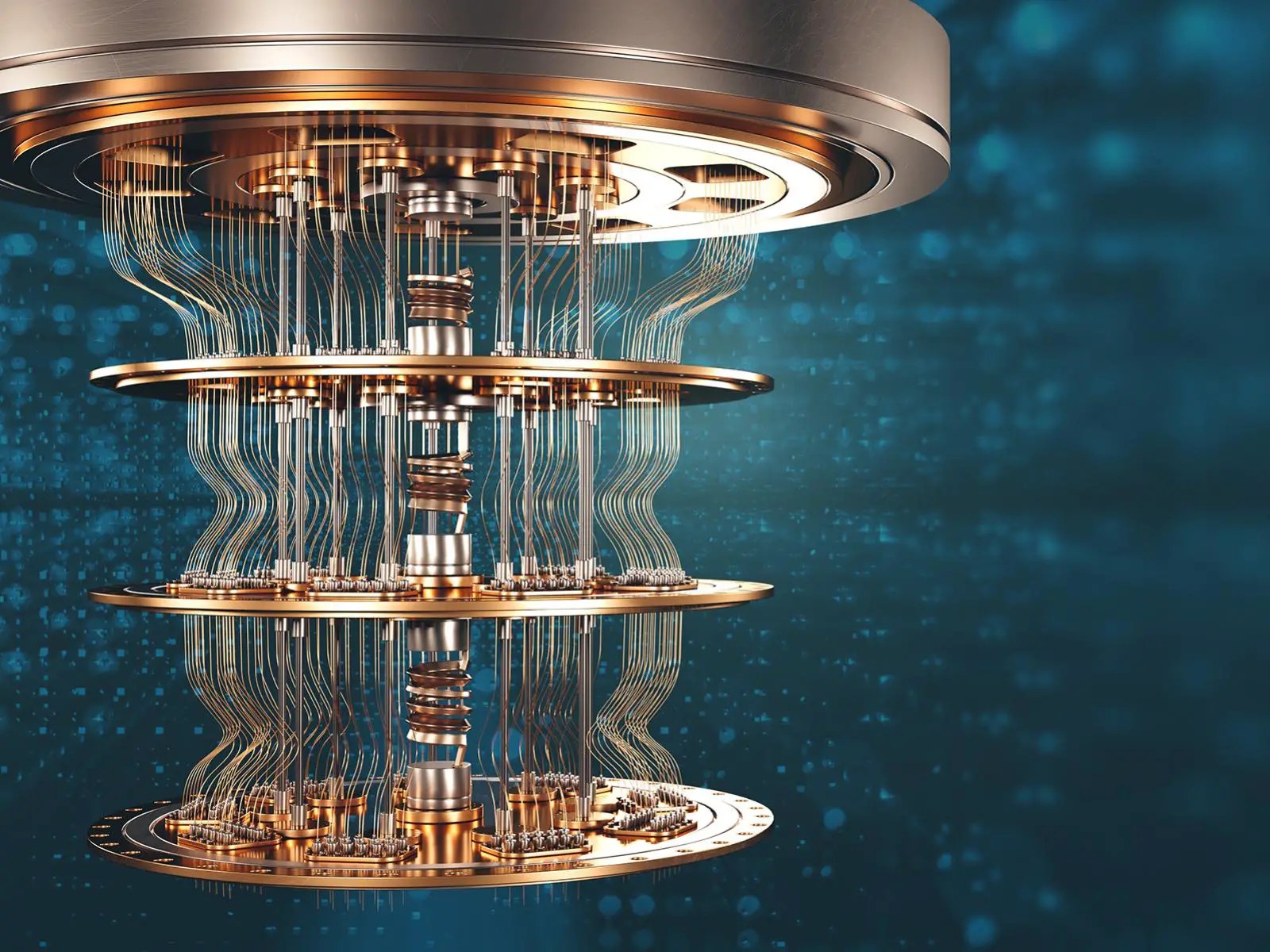
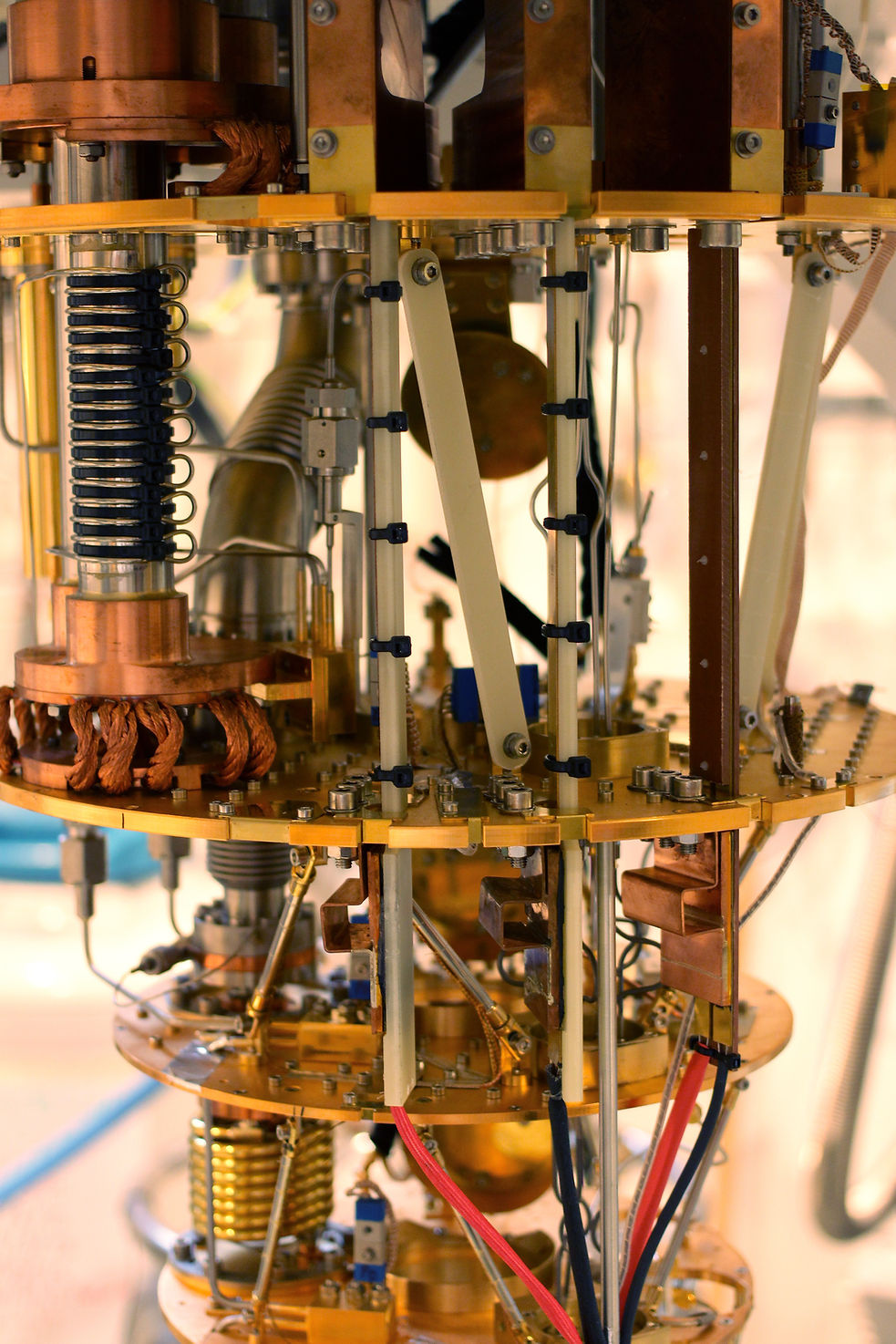
This term has been thrown around in conversations as well as in popular media, specifically in the science fiction genre; but what does it actually mean? Quantum computing is a new way for computers to solve complex problems using Quantum theory. Mechanical computers use transistors, normal bits that can either store the value of one or zero, nothing more and nothing less. Quantum computers, on the other hand, utilize a particular type of transistor called a qubit, which can hold values of zero and one at the same time. This might not sound like a massive difference, but this one change to the transistors design allows them to perform various computations at the same time, or in parallel.
This performance difference has the potential to benefit a number of situations, including but not limited to:
Solving Real-World Challenges

For example, in the field of medicine, quantum computers can revolutionize drug discovery by rapidly analyzing molecular interactions, predicting drug effectiveness, and facilitating the development of personalized treatments. This could significantly accelerate the pace of medical advancements, leading to more effective therapies and improved patient outcomes.
Additionally, quantum computing can have a profound impact on cybersecurity. With current encryption methods vulnerable to quantum algorithms, the development of quantum-resistant encryption protocols becomes imperative. Quantum computers, with their immense computational capabilities, can both strengthen cybersecurity measures and help identify vulnerabilities in existing systems, thereby enhancing data protection and privacy.
Transforming Industries
For example, in the field of medicine, quantum computers can revolutionize drug discovery by rapidly analyzing molecular interactions, predicting drug effectiveness, and facilitating the development of personalized treatments. This could significantly accelerate the pace of medical advancements, leading to more effective therapies and improved patient outcomes.
Additionally, quantum computing can have a profound impact on cybersecurity. With current encryption methods vulnerable to quantum algorithms, the development of quantum-resistant encryption protocols becomes imperative. Quantum computers, with their immense computational capabilities, can both strengthen cybersecurity measures and help identify vulnerabilities in existing systems, thereby enhancing data protection and privacy.
Transforming Industries
The transformative potential of quantum computing extends to numerous industries. In finance, quantum computers can optimize investment portfolios, detect patterns in financial markets, and simulate economic models. This could lead to more accurate predictions, better risk management, and improved investment strategies.
In the energy sector, quantum computing can contribute to developing advanced materials for more efficient solar panels, batteries, and energy storage systems. By simulating chemical reactions and molecular structures, quantum computers can speed up the discovery of sustainable solutions, thereby driving the transition to a greener future.
Furthermore, transportation and logistics industries can benefit from quantum computing’s optimization capabilities. It can optimize complex route planning, supply chain management, and traffic flow, resulting in reduced costs, increased efficiency, and minimized environmental impact.
Challenges and Future Prospects
While quantum computing holds immense promise, there are significant challenges that need to be overcome. One of the primary obstacles is maintaining the stability of qubits, as they are susceptible to environmental interference and decoherence. Scientists and engineers are actively researching error correction techniques and novel approaches of qubit design to mitigate these challenges. Major technology companies and governments are investing heavily in quantum computing research and development. Collaboration between research institutes and industry is fostering innovation, and breakthroughs are being achieved at an accelerating pace.
With all of this being said, it is still important to remember that most of these advancements in computing technology won’t be apparent to the average user. What is more likely to happen is that industries that have a consumer base that requires heavy data crunching will have their users benefit positively from the increase in computing power. And while we have ways to go in terms of fully understanding the way quantum computing works, it won’t be long before it is running in every aspect of our lives.
By Rahul Pemassani




 Scribemen Magazine