
Time travel is a concept that has fascinated humans for centuries. We are intrigued by the idea of going back in time to witness historic events or traveling to the future to see what lies ahead. While time travel remains a work of fiction, both science fiction and real-life studies have explored this concept in fascinating ways.
Time Travel as a Plot Device
Time travel has long been a popular plot device in science fiction. It allows writers to explore what might happen if we could change the course of history or jump into the future to see what lies ahead. Here are some examples of time travel in science fiction:
“The Time Machine” by H.G. Wells
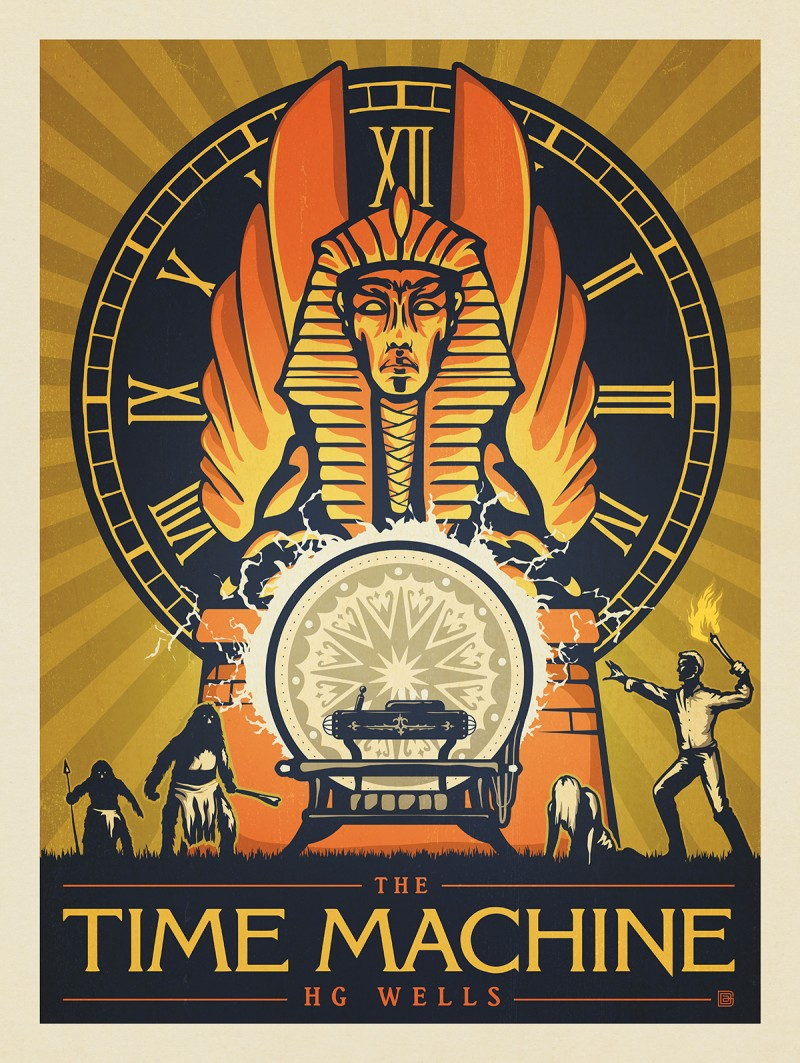
This classic novel tells the story of a scientist who builds a machine that allows him to travel through time. He visits different eras of the past and future, witnessing the evolution of humanity and the eventual end of the world. The novel explores themes of evolution, social class, and the impact of technology on society.
“Back to the Future”
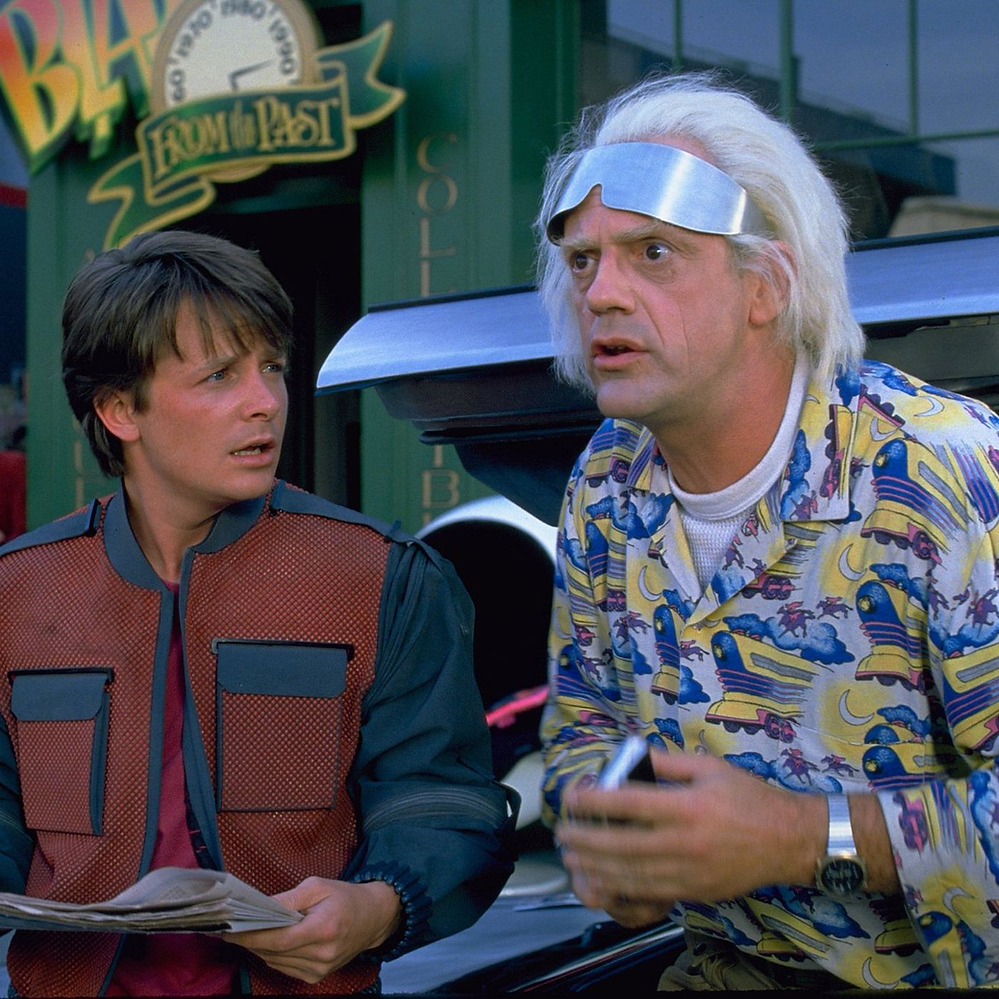
This series of films follows the adventures of teenager Marty McFly as he travels back to the 1950s and tries to set things right. The films are known for their humor, action, and the memorable characters of Marty and his eccentric scientist friend, Doc Brown.
“Doctor Who”

This long-running television series follows the adventures of the Doctor, an alien who explores the universe and saves the day with the help of his time-traveling spaceship, the TARDIS. The show has been on the air since 1963 and has amassed a devoted following.
While time travel is a popular concept in science fiction, it can also be a tricky device to use. If not handled properly, time travel can create paradoxes and inconsistencies that can detract from the story. To avoid this, science fiction writers often use some basic tips, such as:
Setting Clear Rules for Time Travel
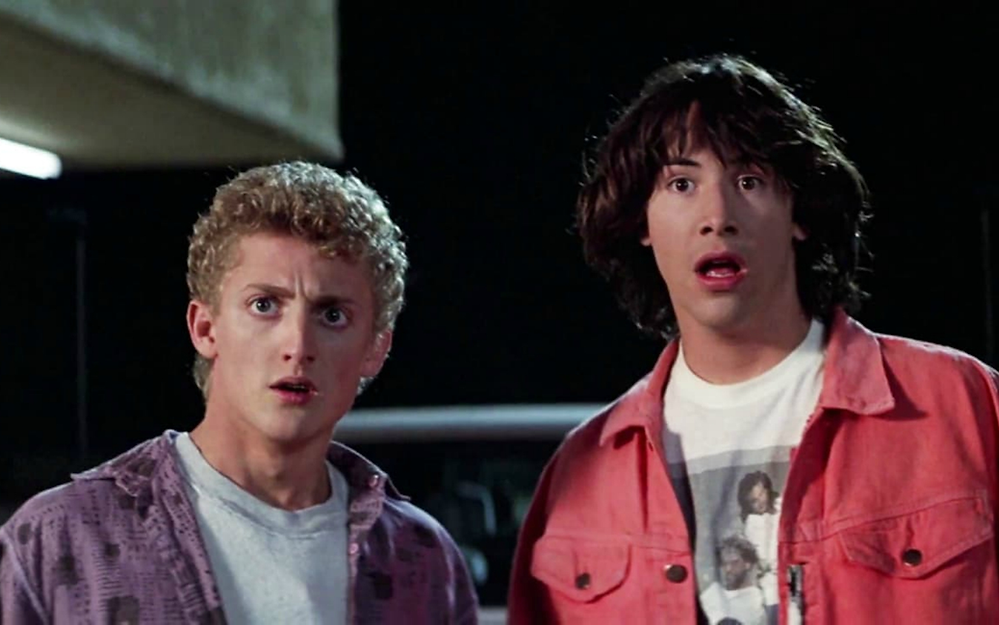
In many science fiction stories, time travel has rules that characters must follow to avoid paradoxes. For example, characters may not be able to meet their past selves, or they may have to avoid altering the course of history.
Creating Alternate Timelines
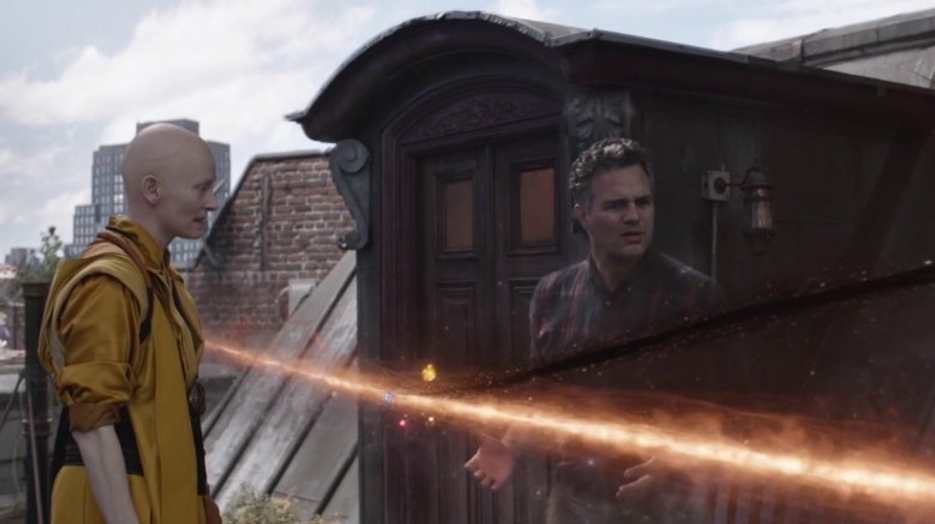
In some stories, time travel creates alternate timelines, which allows characters to explore what might happen if history had taken a different course.
Using Time Travel As a Way to Explore Complex Themes

Time travel can be a powerful tool for exploring complex ideas and themes. For example, “The Time Machine” uses time travel to explore the evolution of humanity and the eventual end of the world.
Real Life: Time Travel Studies
While time travel is purely a work of fiction, scientists have studied the concept in fascinating ways. Here are some examples of real-life time travel studies:
Time dilation

In the theory of relativity, time dilation refers to the fact that time passes differently depending on the gravitational pull of different planets. This has been observed in experiments involving atomic clocks.
Time crystals

In 2012, Nobel laureate Frank Wilczek proposed the concept of time crystals, which are materials that have a repeating pattern of motion that continues indefinitely. This could potentially lead to the creation of time machines.
Wormholes
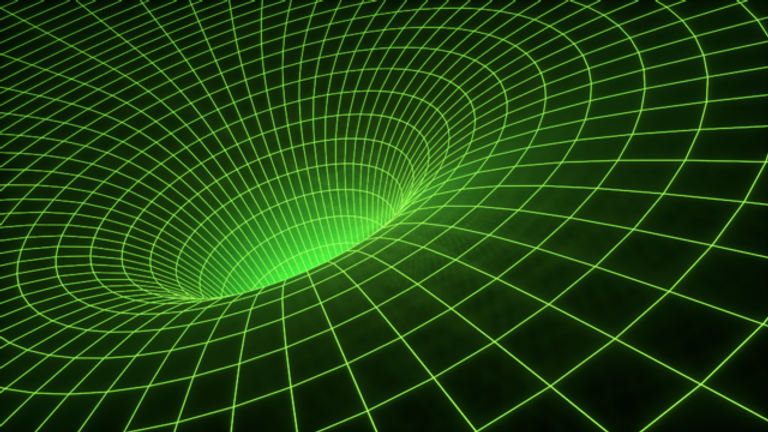
In the theory of relativity, wormholes are hypothetical tunnels through space-time that could possibly allow for time travel. While no evidence currently exists for the existence of wormholes, some scientists believe that they could perhaps be created through the manipulation of dark matter. Other theories suggest that wormholes could be developed using exotic materials with negative energy density.
As fascinating as these theories are, they are still purely hypothetical. The concept of time travel remains a topic of scientific research and a popular theme in the entertainment industry. Whether exploring the potential consequences of altering the course of history or the possibility of traveling to the future, time travel continues to captivate our imagination and inspire us to explore the possibilities of the unknown.
By Shakthi Kumaravel




 Scribemen Magazine