The smartphone industry is dominated by 2 major companies: Apple and Android. The first smartphones hit the market in 2007 and were created by Apple. The mobile device was a huge hit because it let people access information in an instant, information that was previously available on a large scale. It was extremely convenient and much more streamlined than technology at the time. 2 years later, Samsung released its first smartphone. Since then, both companies have been in a race to have the most advanced smartphone in the world. This race has been getting increasingly more competitive in recent years. Each side has a large following of supporters that believe they are making the best decision on which phone to buy, but which brand is better? While both operating systems have their own unique features and benefits, there are several reasons why Android is better than Apple.
A major advantage that Android companies have over Apple is their prices. Android devices are available at a range of price points, making them more accessible to a wider audience. In contrast, Apple devices are notorious for being expensive, making them less accessible to those on a budget. For example, the new iPhone 14 Pro, released in September of 2022, is priced at $999 or $41.62 per month for 24 months. In contrast, the Galaxy S23 is valued at $800 or $33.34 for 24 months and was released in February of 2023; and the Google Pixel 7, which also uses Android Software, is priced at $450 or $18.71 for 24 months and was released in October of 2022 (phone values usually peak during launch and then gradually decrease). Evidently, phones using Android software are considerably less expensive than phones using Apple software. Additionally, consumers of Android products are given more opportunities to receive trade-in discounts. Verizon offers between $200–$800 of trade-in discounts, depending on the model of the phone. The Pixel 7 is already half the price of the iPhone 14, and they continue to offer up to $400 back with an eligible trade-in. The iPhone 14 is the most expensive of the bunch, yet it only offers $200–$600 worth of trade-in credit. Furthermore, you can only trade in your phone if you have an iPhone 11 or newer. Alternatively, you can trade in a myriad of brands including, Samsung, Apple, Google, Kyocera, LG, Microsoft, One Plus, Nokia, Sony, and more for a brand-new Samsung Galaxy S23. Samsung also supports older models of phones for trade-in value; for example, Samsung accepts the iPhone 7 and gives $400 worth of credit. This makes it much easier to get a better deal for any phone running Android software.
Secondly, Android products are more customizable. Consumers can change the look and feel of their phone, with options to change the home screen, widgets, and app icons, to better fit their needs. This includes options to change the default apps for tasks like messaging and browsing the web. Apple’s iOS has a format that cannot be altered, allowing users much less control over their phone’s appearance. Apple also restricts their users to only being able to install apps directly from their App Store. Android also allows for more flexibility, with users able to install apps from third-party sources such as AndAppStore, SlideMe, Handango, and GetJar. The additional flexibility, combined with the lower price tag, that Android offers makes it a more suitable choice for most consumers.
There are also many quality-of-life advantages to Android. For example, Android phones make it very easy to copy files from your computer to your phone. You simply have to plug your phone into a laptop. If you are trying to do the same with an Apple phone, you will be required to install iTunes and set up an account, making it a much less efficient experience. Android tools like Astro File Manager and ES file manager allow easy access to all the folders on your device, unlike the iOS Files app. Additionally, many new Samsung models come with a Stylus pen that you can use to draw, write instant messages, and scribble notes even when the phone’s screen is off. Apple phones also do not use a USB type C charging port. This means that if you wanted to connect your phone to your laptop, you would need to buy an additional cable from Apple. You also cannot share your charging wire with your laptop because Apple Macs use USB-C. Most new Android phones use a USB Type-C port for charging, which means that they can support an extremely broad set of ports and peripherals, from universal chargers to docking stations. In addition, USB-C enables fast wired charging on most newer Android phones. With the iPhone 8, iPhone 8 Plus, and iPhone X, charging fast with a wire means buying another 29-watt or higher power brick plus a USB-C-to-Lightning cable.
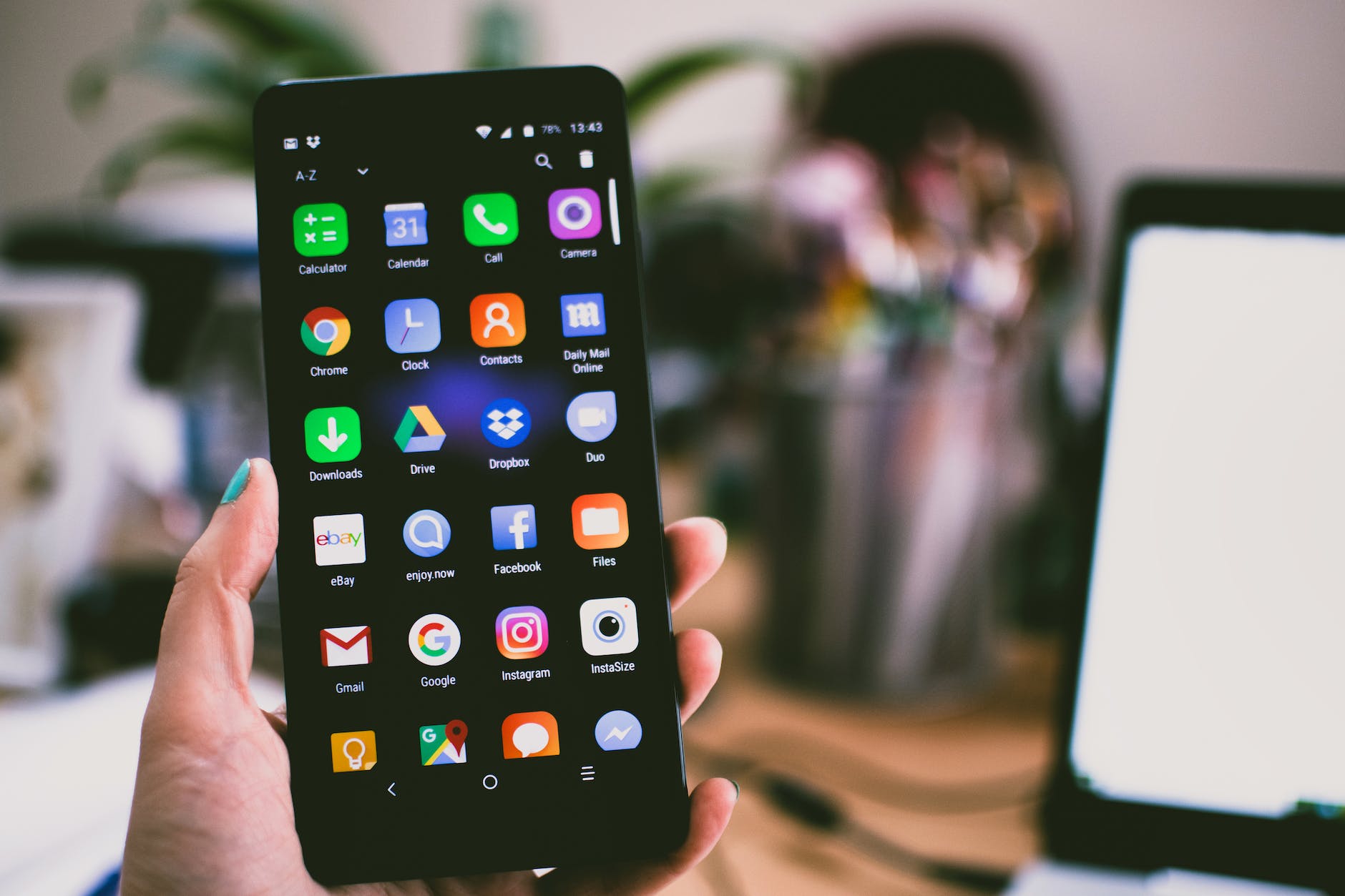
Android offers more customization options, more affordable prices, and many more advantages. While Apple may offer a premium design and features, the high price tag and limited options make Android a more accessible and practical choice for many users. Ultimately, the choice between Android and Apple comes down to personal preference and needs, but it is clear that Android offers many advantages over Apple.
By Sidharth Nayar




 Scribemen Magazine